
/
Verified industry intelligence, fab policy developments, research calls, and recruitment circulars from national labs and chipmakers.
Stay Ahead of the Curve.

Explore Infineon’s OktoberTech takeaways on edge AI, SDVs, GaN power, and the shift toward 800 V DC data centers. The post Infineon’s OktoberTech: Edge AI, SDVs, and the Road to 800 VDC appeared first on EE Times.

Many buildings and sites tied to national security rely on cameras and sensor networks to detect people and other objects nearby, but weather conditions can quickly obscure their view. To understand how these systems perform, Sandia National Laboratories researchers are deliberately recreating thick fog and heavy rain in a controlled chamber.

Some of the most important discoveries in materials science and structural biology come down to a simple question: Where, exactly, are the atoms? The arrangement of atoms determines nearly everything about how a material behaves in the real world—how strong it is, how it conducts electricity, how a battery stores energy, or how a drug binds to a cell.

This article is brought to you by Qualcomm Technologies. For many consumers, much of the promise and appeal of AI is personal. Consumers are looking past generic tools and want to know how these technologies will help them in their daily lives. These trends coincide with the advent of new classes of wearable devices that, in addition to being able to leverage powerful frontier models, feature buil
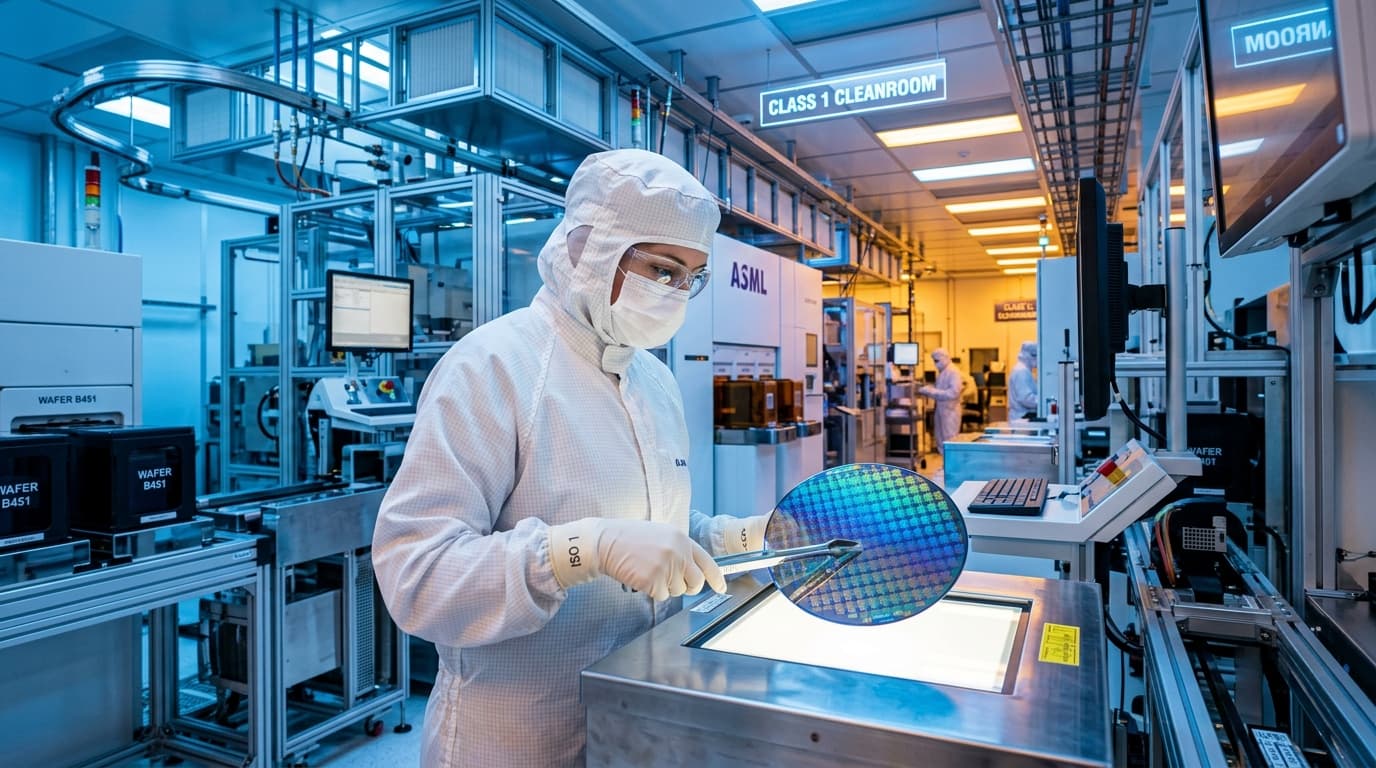
The semiconductor industry crossed $1 trillion in annual revenue this year, almost four years ahead of earlier projections. SEMI President and CEO Ajit Manocha opened the CEO Summit at SEMICON West with a chart that told the story. A year ago, the forecast for 2030 was $1 trillion. Now it is $2 trillion, with $3 trillion possible … Read More The post SEMICON West 2026: AI Made the Steps Faster. T

Samsung reported third-quarter operating profit of $80 billion, but rising component prices caused an operating loss in mobile. The post Samsung Electronics Posts $80B Operating Profit on AI Memory Demand appeared first on EE Times.

When electronics need to stretch, bend or flex, like a wearable sensor or a shape-changing robot, liquid metal often carries the electricity that makes them work.
Verified research calls, fab hiring sprees, and hardware grants from ISRO, DRDO, Micron, and premier semiconductor labs — refreshed directly via automated scrapers.
Built for India's Hardware Engineers